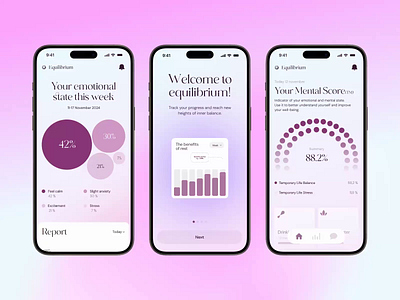
In the modern digital landscape, trust has become one of the most valuable currencies a platform can earn from its users. A calm platform achieves this not through flashy design, overbearing notifications, or constant engagement prompts, but through a subtle, almost invisible layer of reliability and predictability. Users are drawn to environments where actions feel intuitive, where the interface doesn’t demand mental gymnastics, and where the outcomes of interactions are consistently clear. Calmness in a platform is less about visual aesthetics alone and more about the orchestration of experience, response, and expectation management. Every subtle interaction, from the timing of a notification to the layout of a dashboard, contributes to a perception of reliability that fosters trust organically. Users may not consciously notice every detail, but the cumulative effect of these calm, intentional design choices creates a sense of stability that feels effortless.
A platform that maintains composure under various conditions instills confidence even before users encounter potential issues. When users know that processes execute without sudden interruptions, unexpected errors, or unnecessary complexity, their attention remains focused on their goals rather than navigating the platform’s inconsistencies. Calm platforms tend to limit cognitive overload by streamlining choices and emphasizing clarity in action paths. Instead of bombarding users with multiple options or aggressive prompts, these platforms gently guide users through necessary decisions, reducing friction and preventing decision fatigue. The simplicity of interaction, when done thoughtfully, communicates that the platform respects the user’s time and mental energy, which in turn strengthens trust.
Consistency is another cornerstone of a calm platform. Predictable behavior, whether in response times, design elements, or content presentation, allows users to form mental models of how the system operates. When these expectations are met repeatedly, the platform becomes almost invisible in the way it serves the user, allowing focus to remain on the task at hand rather than the medium itself. This unobtrusive reliability encourages a sense of competence, as users feel they can anticipate outcomes and navigate confidently. In contrast, platforms that frequently change interfaces, restructure features, or deliver inconsistent feedback create a subtle tension that erodes trust. Calmness, therefore, is not merely a matter of aesthetics but a deliberate alignment of interface behavior with human expectations.
Notifications and alerts are critical points where calmness is most apparent. Instead of relying on loud, urgent prompts that disrupt the user’s flow, calm platforms deliver information in ways that respect attention and context. Informational cues are timely, relevant, and non-intrusive, allowing users to absorb updates without feeling pressured or distracted. The tone of language plays a crucial role here; neutral, reassuring messages build confidence far more effectively than alarmist alerts. By reducing the psychological noise surrounding system feedback, calm platforms ensure that communication reinforces trust rather than undermining it.
Error handling exemplifies how calmness directly translates into trust. No platform can eliminate all mistakes or failures, but the manner in which errors are communicated can make a profound difference. Calm platforms present errors in clear, concise language, avoiding technical jargon or blame. They offer actionable steps or automatic resolutions wherever possible, maintaining user agency while minimizing stress. This approach signals that the system is reliable and supportive, capable of guiding users through challenges rather than leaving them stranded. Over time, these experiences compound, creating a perception that the platform is resilient, predictable, and user-centered.
Another dimension of calmness is the avoidance of unnecessary interruptions or manipulative design techniques. Many platforms adopt strategies to maximize engagement or retention, often at the expense of user well-being. Frequent pop-ups, gamified prompts, or exaggerated urgency can create stress and fatigue, which may lead to disengagement or skepticism. Calm platforms, conversely, prioritize meaningful interactions and let users proceed at their own pace. This respect for autonomy demonstrates a deeper understanding of user needs, subtly reinforcing trust without the need for overt persuasion. The absence of coercion, paradoxically, often strengthens loyalty more effectively than aggressive engagement tactics.
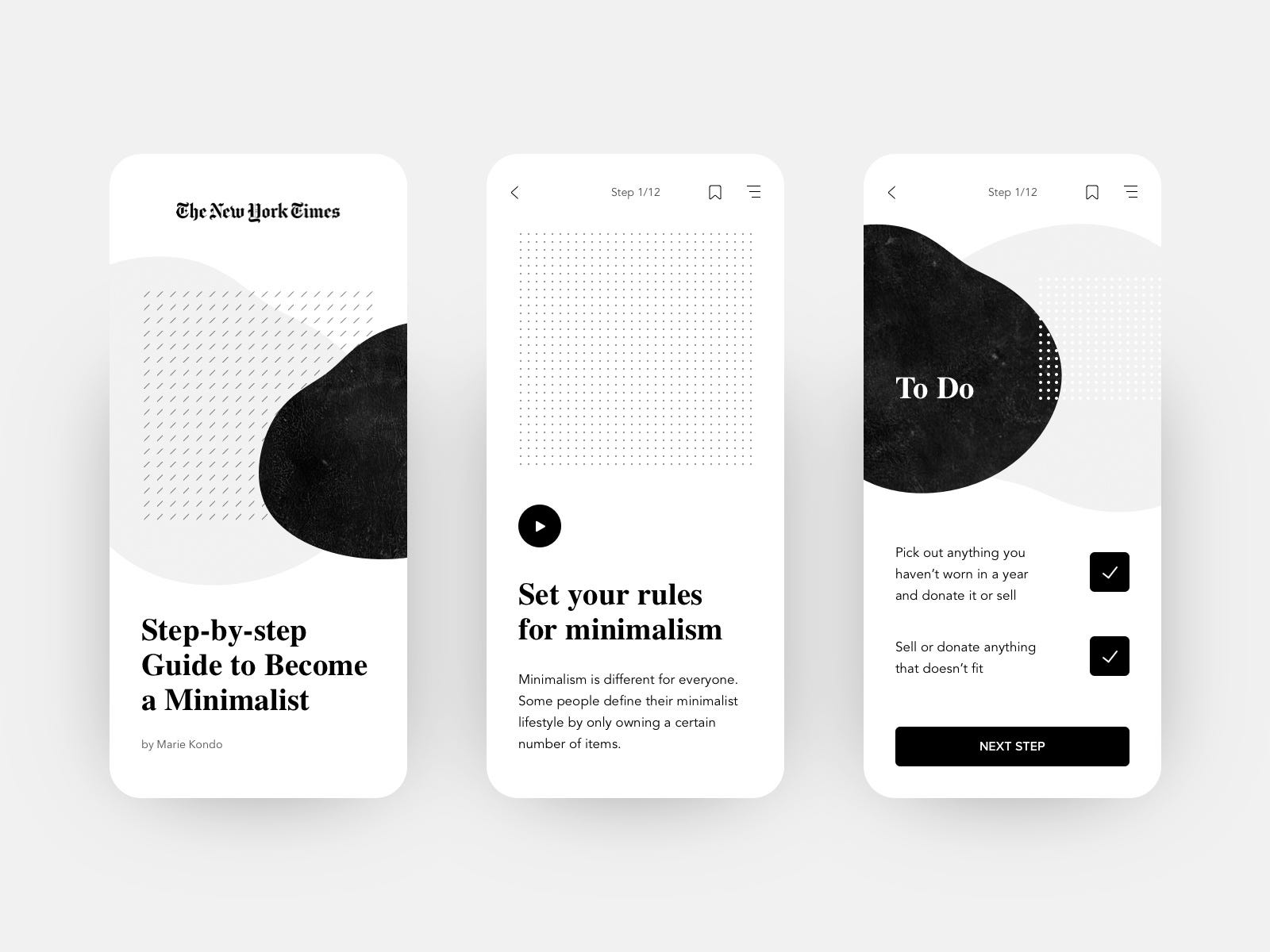
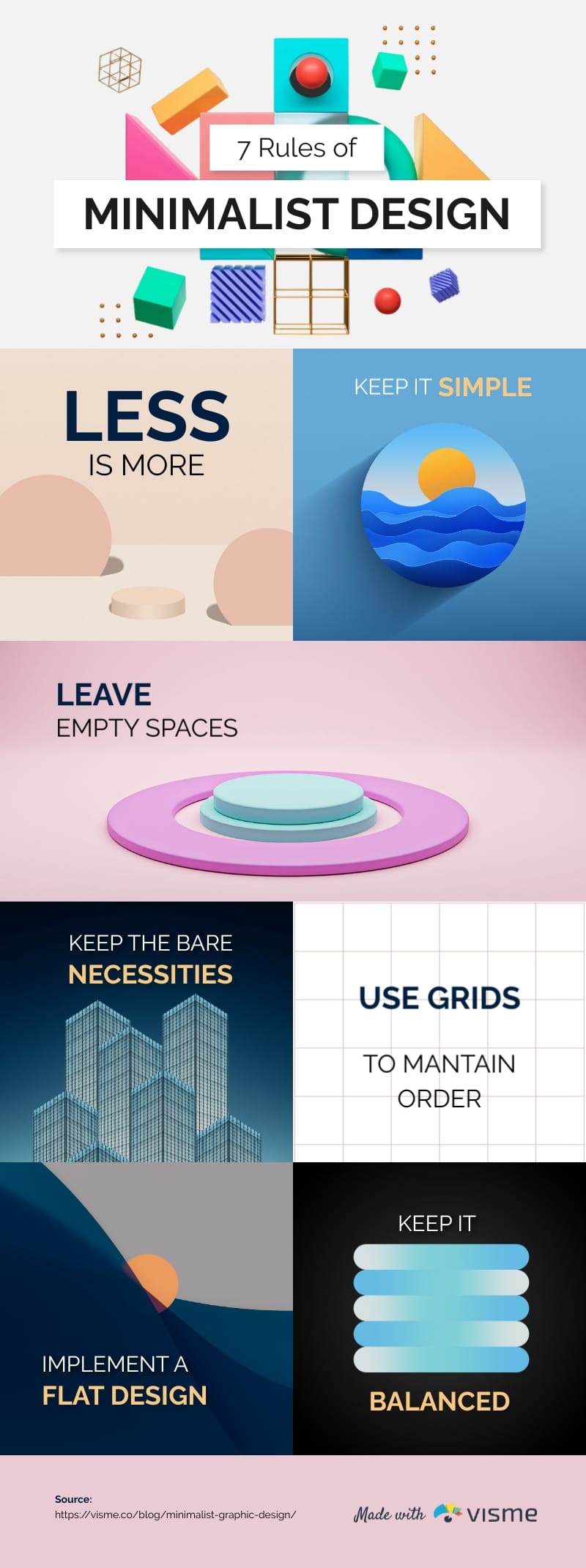
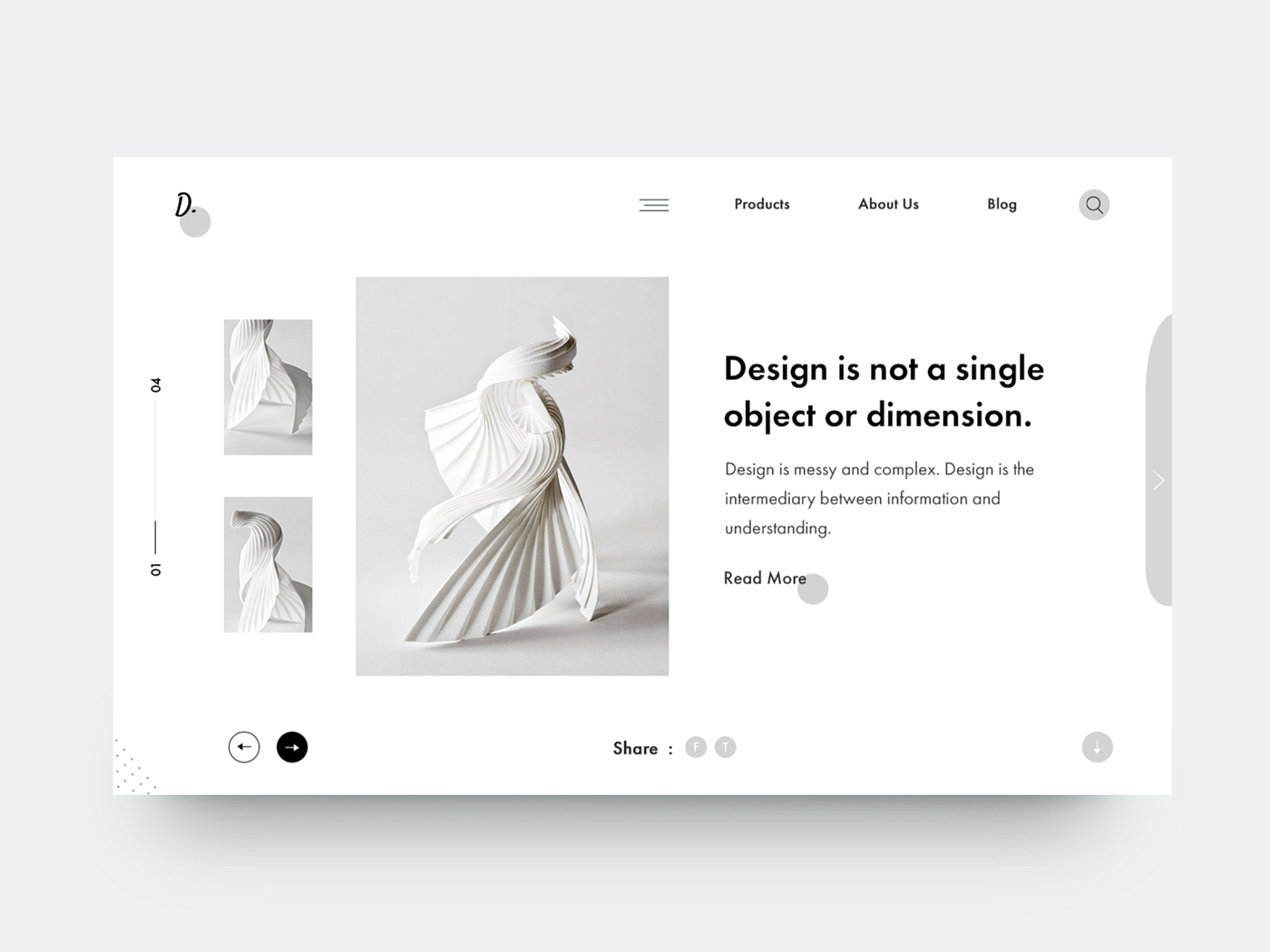
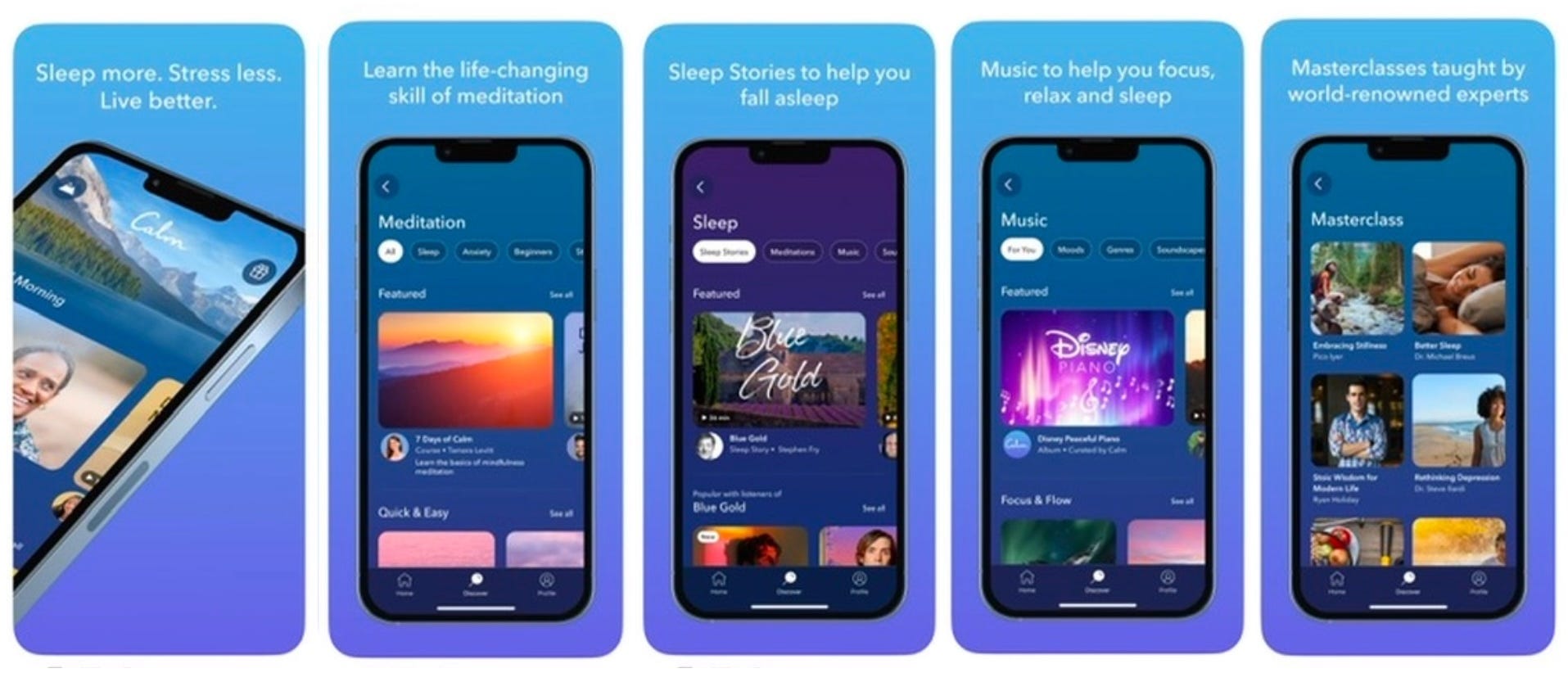
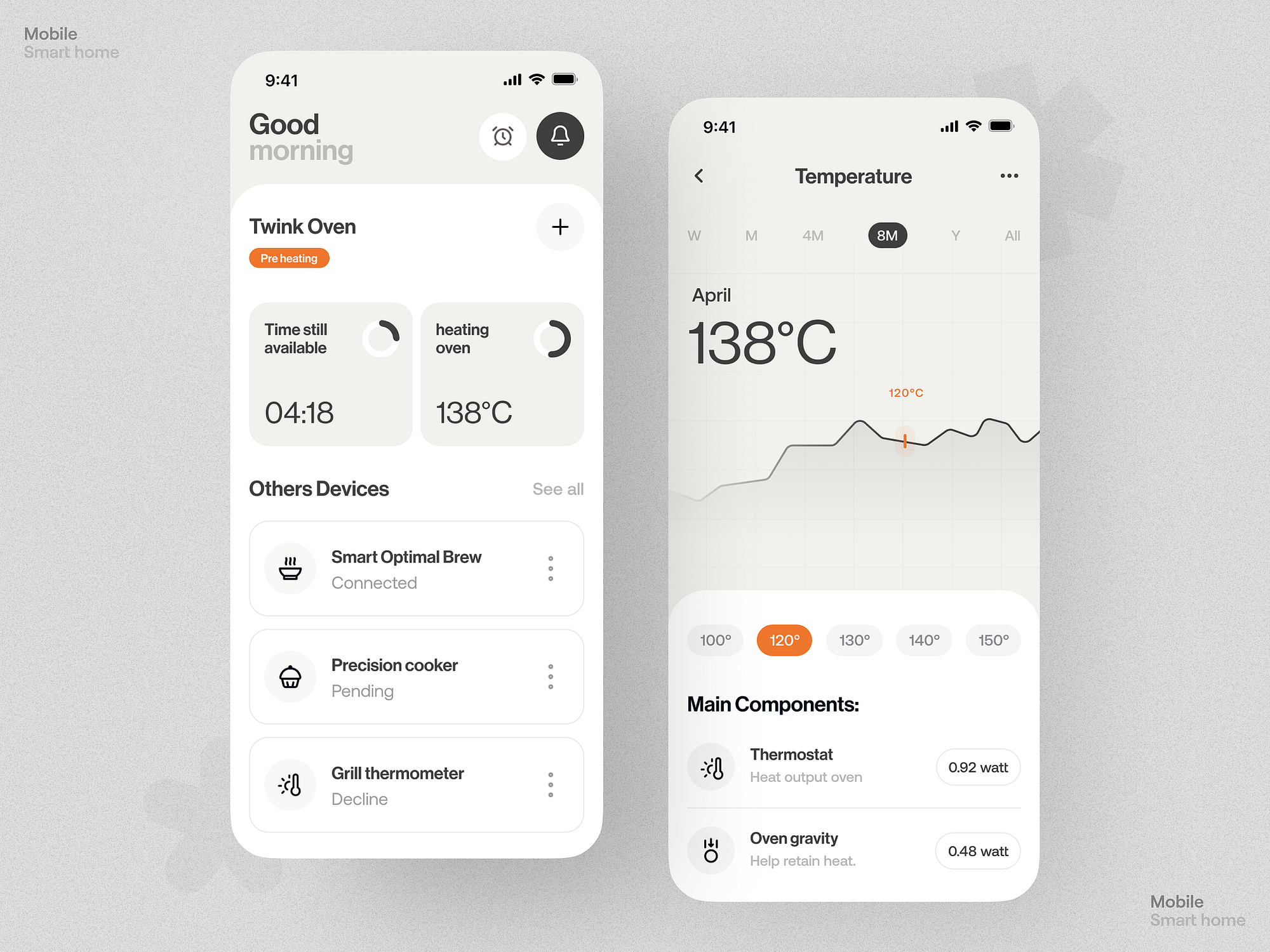
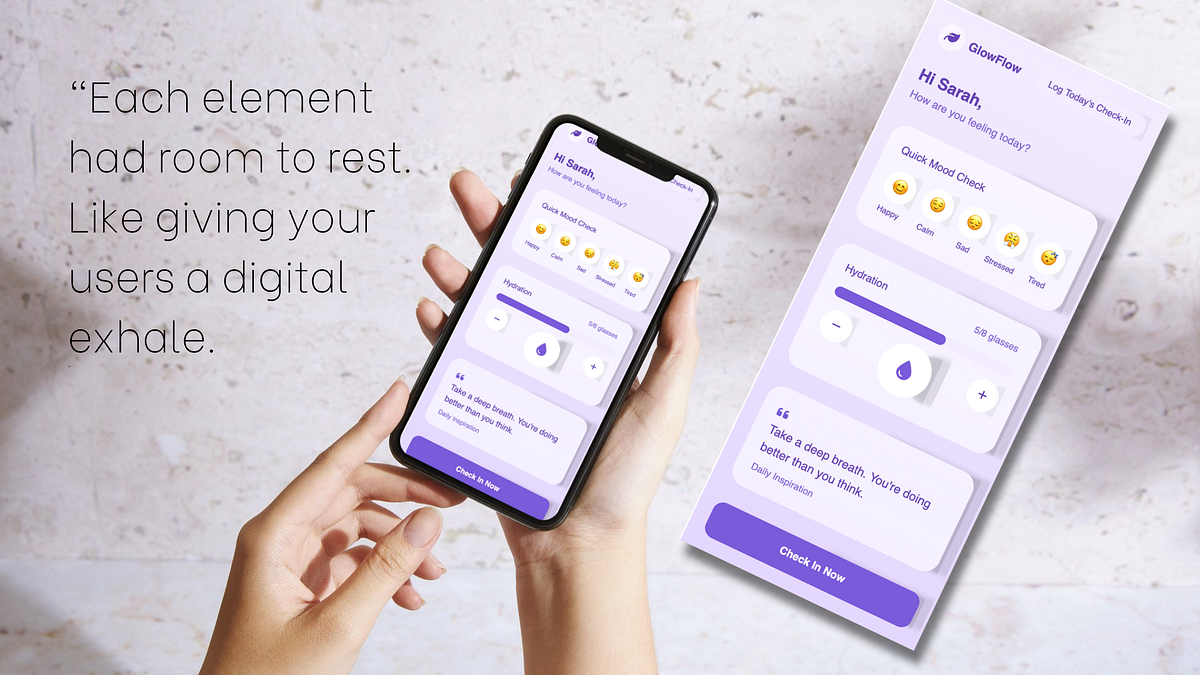
Visual design contributes to calmness as well, though it is inseparable from functional clarity. A restrained color palette, intuitive iconography, and coherent typography reduce visual clutter, making the interface feel approachable and organized. When users can locate information quickly and comprehend functionality without mental strain, they perceive the platform as competent and thoughtful. Subtle animations and transitions further support this perception by providing feedback that is smooth and predictable, creating a sense of seamless interaction rather than abrupt or jarring changes. Each design choice, while individually minor, compounds into an overarching experience that signals calmness and reinforces trust.
Performance reliability complements these design principles. Even a visually serene interface can undermine trust if response times are slow or unpredictable. Calm platforms invest in optimizing backend processes to maintain responsiveness, ensuring that actions are completed efficiently and consistently. Users intuitively notice latency and inconsistency, even if they do not consciously articulate frustration. When performance aligns with the visual and interactive calmness of the platform, the entire experience coalesces into a coherent perception of stability and dependability.
Privacy and data handling also reflect the philosophy of calmness. Transparent policies, minimal data collection, and clear control over personal information communicate respect for the user’s autonomy. Calm platforms make these elements accessible without overwhelming users with legalistic text or constant prompts. By embedding ethical practices into the core design, platforms silently reassure users that their trust is well-placed, creating a relationship based on integrity rather than coercion.
Ultimately, calm platforms transform trust into a natural byproduct of the user experience. By emphasizing predictability, clarity, responsiveness, and respect, these platforms cultivate an environment where users feel confident, supported, and valued. The experience does not require effortful persuasion; trust emerges organically because the system demonstrates reliability in every interaction. Users navigate seamlessly, errors are managed gracefully, feedback is non-intrusive, and autonomy is preserved, all of which combine to make engagement feel effortless. In a digital ecosystem often dominated by noise, urgency, and friction, the quiet authority of calmness becomes a profound differentiator. A platform that remains composed, consistent, and considerate establishes a foundation of trust that is both robust and enduring, proving that serenity in design is not merely aesthetic, but essential for fostering lasting confidence in users.
This approach redefines the relationship between a user and a platform. Trust is no longer an outcome of persuasion or constant reassurance but a consequence of thoughtful, deliberate design choices that reduce cognitive load, respect autonomy, and maintain reliability. Calmness does not just improve user satisfaction in the moment; it builds long-term loyalty by creating an environment where confidence feels effortless and interactions are intuitively secure. The quiet power of a calm platform lies in its ability to communicate competence, stability, and respect without overt signals, allowing trust to flourish naturally through experience.
By prioritizing calmness, platforms invest in a subtle, sustainable form of engagement. Users return not because of gimmicks or incentives, but because the platform consistently demonstrates that it operates predictably, responds gracefully, and aligns with their needs. Calmness, therefore, is both a design philosophy and a strategic asset, creating a user experience where trust is inherent, loyalty is earned, and confidence is maintained with minimal effort. The cumulative effect of these choices is a digital environment that feels safe, composed, and dependable, allowing users to focus entirely on their objectives, secure in the knowledge that the platform will support them without unnecessary friction or distraction.
Calmness, in essence, transforms technology into a partner rather than an obstacle, and trust becomes a natural reflection of that partnership. By integrating clarity, consistency, responsiveness, and respect across every dimension of design and functionality, platforms can cultivate enduring trust, all while remaining unobtrusive, serene, and effortlessly supportive. This demonstrates that calm platforms do not just serve users; they reassure, protect, and guide them, proving that simplicity, composure, and attentiveness are among the most powerful tools for fostering confidence in a digital age.
Trust, in such environments, becomes self-sustaining, growing quietly as users experience reliability at every interaction. It is the invisible infrastructure beneath every click, swipe, or decision—a steady presence that users may scarcely notice, yet feel profoundly. By embracing calmness as a central tenet, platforms can ensure that trust is not a fleeting achievement but a constant, organic outcome of thoughtful, human-centered design.
Calmness, therefore, is not passive; it is an active design principle that requires attention to detail, anticipation of user needs, and careful orchestration of every interaction. In doing so, platforms cultivate trust without overt effort, proving that sometimes the most powerful engagement is the one that feels invisible, effortless, and reassuring in every dimension.
A well-calibrated, calm platform demonstrates that trust need not be demanded, advertised, or manipulated. Instead, it emerges naturally when reliability, clarity, and user respect are embedded into every layer of the system. This creates an experience where users feel secure, decisions feel informed, and interactions feel smooth—ensuring that trust, once earned, is maintained effortlessly over time.
A calm platform, by prioritizing subtlety, consistency, and human-centric design, illustrates that the quietest interfaces often foster the deepest confidence. Users may arrive for functionality, but they stay for the peace of mind that comes from interacting with a system that understands, anticipates, and supports them at every step. This seamless alignment between platform behavior and user expectations is the essence of effortless trust, demonstrating that calmness is not merely an aesthetic choice but a strategic imperative in building enduring user relationships.