In the ever-evolving landscape of digital engagement, the subtlety of calmness in platform design has become increasingly significant. A calm platform does not overwhelm its users with incessant notifications, flashing banners, or aggressive prompts. Instead, it creates an environment where the user feels in control, where interactions are intuitive, and where the interface is forgiving rather than demanding. This approach fosters a sense of security, promoting prolonged engagement and loyalty, which are critical in a market saturated with constant stimuli and competing digital experiences. By prioritizing calmness, platforms encourage users to return not out of compulsion but because the experience feels inherently balanced and sustainable.
Calm platforms rely on thoughtful pacing of interactions. Rather than bombarding users with constant updates, alerts, or reminders, they allow natural pauses that align with human cognitive rhythms. This pacing respects attention spans and reduces the mental load associated with decision-making. Users are given the space to absorb information, reflect, and act intentionally, which reinforces a sense of agency. This sense of control is a critical factor in user satisfaction; when individuals feel they are acting on their own terms rather than reacting to external pressures, they are more likely to form a lasting bond with the platform.
Another key aspect is clarity in communication. Calm platforms favor straightforward, concise messaging over marketing-driven, emotionally charged language. When users encounter instructions, alerts, or updates, these are presented in a manner that is immediately understandable. Ambiguity and excessive complexity are minimized, which reduces cognitive friction. This clarity not only supports better comprehension but also builds trust. Users who consistently understand what to expect are more confident in their interactions and less likely to abandon the platform out of frustration or confusion.
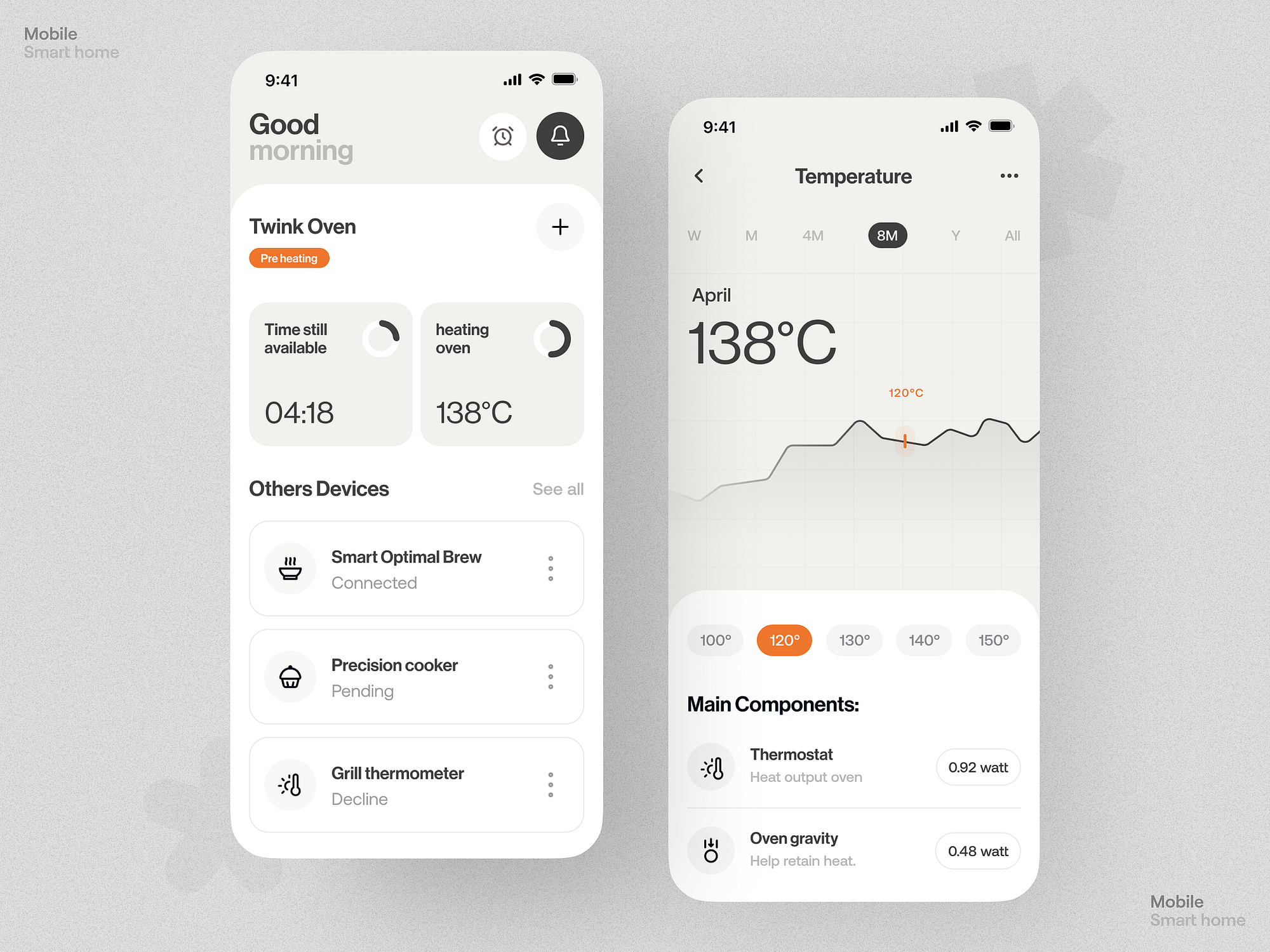
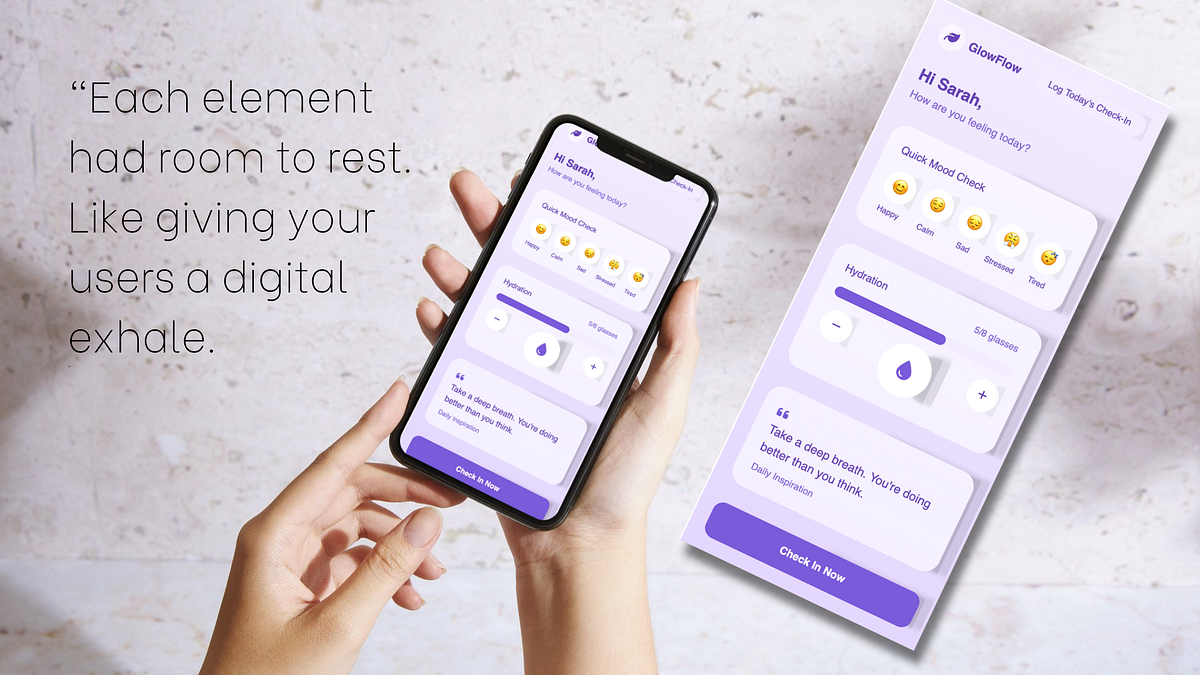
Visual design plays a central role in cultivating calmness. Clean layouts, muted color palettes, and balanced spacing contribute to an interface that is visually soothing rather than overstimulating. Animations and transitions, when used, are deliberate and gentle, providing cues without drawing undue attention. The absence of visual clutter allows users to focus on the content or tasks that matter most, reinforcing the perception of an environment designed for human needs rather than solely for engagement metrics. The visual calmness mirrors cognitive calmness, creating a holistic user experience where the mind is not forced to constantly parse distractions.
Importantly, calm platforms encourage thoughtful interactions through frictionless navigation and predictable behaviors. Menu structures, content hierarchies, and functional pathways are consistent, minimizing the effort required to learn and operate the platform. Predictability reduces stress; users are not perpetually guessing how features work or what actions will trigger. This trust in consistency transforms usage into a more relaxed experience, reinforcing the likelihood that users will return repeatedly because the platform feels reliable and accommodating.
User autonomy is amplified by gentle personalization. Calm platforms often employ subtle cues that guide behavior without coercion. Recommendations, reminders, and suggested actions are offered in a way that supports choice rather than imposing it. For example, a notification might highlight a potential interest without demanding immediate engagement. This balance between guidance and freedom ensures that users feel supported rather than manipulated, which is essential for nurturing a positive, long-term relationship with the platform.
Privacy and transparency further reinforce calmness. Users are increasingly sensitive to how their data is collected, processed, and utilized. Platforms that communicate policies transparently and provide straightforward control over personal information reduce anxiety and build trust. A calm platform does not exploit user attention through invasive tracking or opaque data practices; instead, it respects boundaries and clearly communicates the rationale behind any personalization. This ethical foundation is integral to creating a space where users feel secure and valued, which naturally enhances retention.
The benefits of a calm approach extend to mental well-being. In an era of constant digital noise, platforms that promote deliberate engagement can mitigate feelings of stress and fatigue. Users who interact with calm environments are less prone to compulsive behavior, decision fatigue, or digital burnout. This mindful design philosophy encourages a healthier relationship with technology, enabling users to integrate the platform into their daily lives in a balanced, intentional manner. Over time, these positive experiences compound, leading to more consistent, meaningful engagement and a stronger emotional connection with the platform.
Feedback mechanisms on calm platforms are designed to support growth without pressure. Users are provided with informative insights that highlight progress or suggest improvements, but these are framed constructively rather than alarmingly. The goal is to inform rather than to provoke urgency or anxiety. Such approaches not only enhance usability but also reinforce self-efficacy; users recognize that their actions have impact, and they are encouraged to continue engaging thoughtfully rather than reactively.
Ultimately, calm platforms create an ecosystem that values user experience over short-term metrics. Every design choice, from notification frequency to interface layout, contributes to a coherent philosophy centered on respect, clarity, and predictability. Users who encounter this environment consistently experience less friction, more clarity, and a greater sense of control, all of which are essential for cultivating loyalty. Over time, the accumulation of these small, deliberate design choices fosters deeper engagement, turning casual users into long-term participants who trust the platform and integrate it into their routines.
By embracing calmness, platforms position themselves as sustainable alternatives in a digital world dominated by overstimulation. They offer spaces where interaction feels natural, predictable, and supportive. Such environments do more than just retain users; they cultivate relationships built on trust, comprehension, and intentional engagement. In a marketplace crowded with rapid-fire notifications and competitive attention grabs, calm platforms demonstrate that restraint and thoughtfulness are powerful strategies for fostering enduring user loyalty and satisfaction.
Calmness in design is not merely an aesthetic choice; it is a strategic framework that recognizes the psychological needs of users. It harmonizes cognitive load, emotional response, and behavioral patterns to create an ecosystem where engagement is both meaningful and sustainable. Users return not out of obligation or habit alone but because the platform has earned their confidence through consistent, considerate experiences. Over time, these principles build resilience in the user base, producing stronger, more dedicated communities that thrive on thoughtful, deliberate interaction rather than fleeting excitement.
In this context, the long-term value of calm platforms becomes evident. By reducing cognitive friction, emphasizing clarity, supporting autonomy, and maintaining ethical transparency, these platforms cultivate an environment where users feel respected, understood, and in control. This approach nurtures a positive feedback loop: satisfied users engage more, engagement generates richer data for responsible personalization, and responsible personalization reinforces satisfaction. The cycle is self-sustaining, and the platform evolves alongside its user base, consistently reinforcing trust, reliability, and calm.
Ultimately, the adoption of calm principles is an investment in sustainable user relationships. In prioritizing thoughtful design, ethical transparency, and measured interaction, platforms not only differentiate themselves from competitors but also create experiences that resonate on a deeper level. Users are more likely to stay, explore, and advocate, not because they are manipulated into doing so, but because they recognize a platform that understands and respects their cognitive and emotional needs. In this way, calm platforms cultivate not just engagement, but loyalty, resilience, and long-term growth, proving that tranquility and patience can be as powerful as excitement and urgency in digital strategy.
A calm platform, in essence, is a platform that listens to its users, anticipates their needs, and responds with subtlety and care. It is an ecosystem where every interaction is designed to enhance comprehension, preserve autonomy, and minimize stress. Through consistent application of these principles, platforms forge enduring relationships, foster meaningful engagement, and create communities that thrive on predictability, respect, and trust. The quiet power of calmness, therefore, is not in its absence of action but in the intentionality and thoughtfulness embedded within every user experience, ensuring that users are not merely present, but actively and contentedly engaged over the long term.


Be First to Comment