In the modern digital landscape, design carries a weight far beyond aesthetics; it serves as a silent communicator, influencing perceptions, behaviors, and trust. A subtle design approach often proves to be the most powerful, achieving credibility without demanding conscious recognition from the user. This form of design doesn’t scream for attention or rely on overt cues; instead, it quietly establishes a framework that guides interaction, instills confidence, and conveys reliability. It is in these understated decisions—the careful alignment of elements, restrained use of color, deliberate typography choices, and consistent spacing—that credibility is born naturally and without effort.
Subtle design creates an intuitive environment where users feel guided rather than directed. When visual hierarchies are balanced, buttons are predictably placed, and feedback is consistent, users instinctively understand how to interact with a system. The predictability of these interactions fosters trust. Users are not consciously aware of the design principles at play, yet the experience communicates stability and professionalism. Every interaction, from the smallest hover effect to the structure of an information hierarchy, serves to reinforce the notion that the system is reliable and thoughtfully constructed.
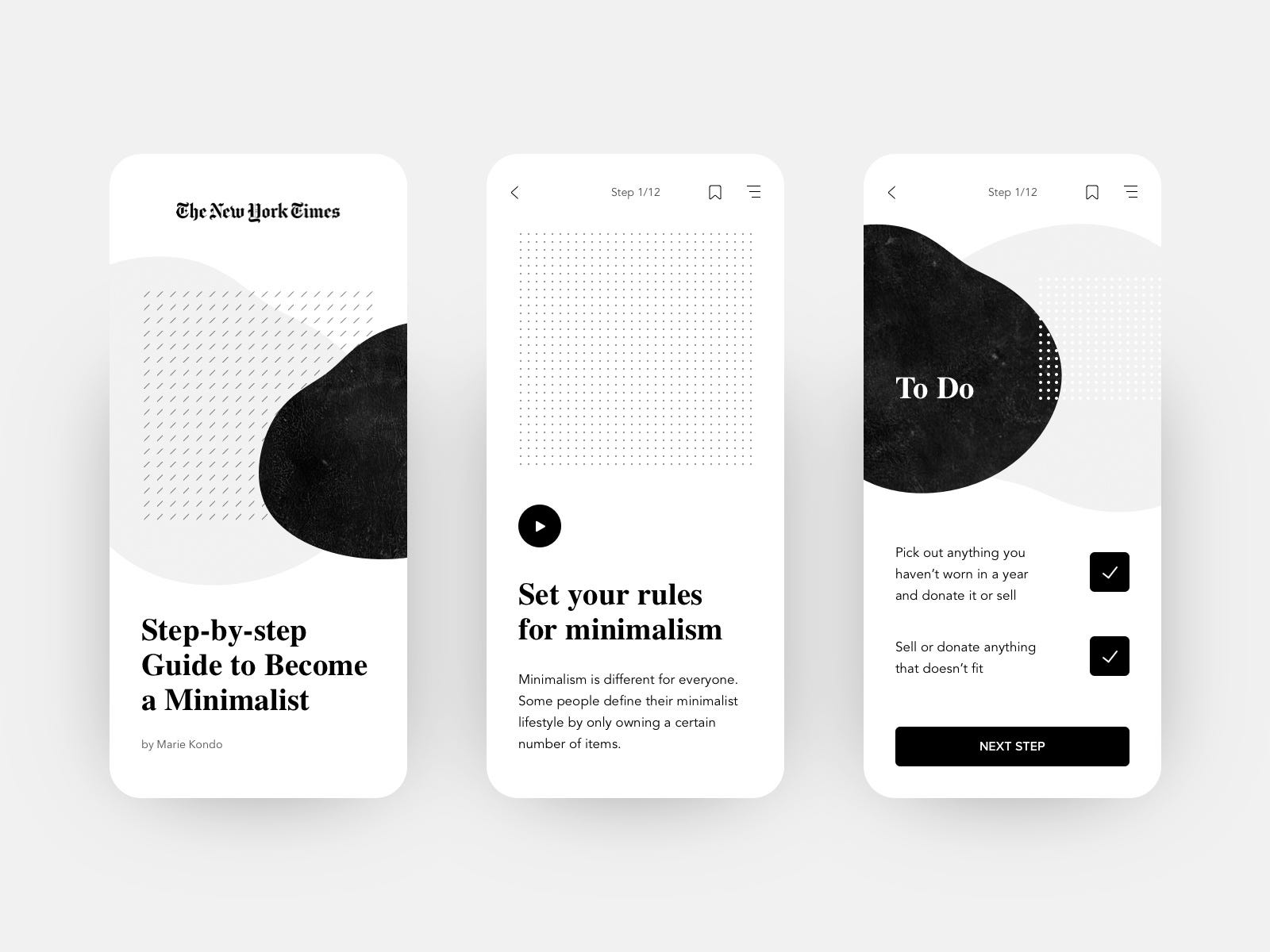
Minimalism often plays a critical role in building this type of credibility. By removing unnecessary distractions, the focus shifts to content and functionality, emphasizing what is truly important. When a design avoids unnecessary flourish, it signals confidence. There is no need to compensate with flashy effects or aggressive calls to action because the clarity of the design itself demonstrates competence. Subtle use of animation or transitions, such as a gentle fade or smooth scrolling, can enhance the experience without drawing attention to itself, reinforcing the feeling that the system functions seamlessly.
Typography contributes significantly to trustworthiness in subtle design. Consistent typefaces, appropriate line spacing, and clear hierarchy communicate professionalism. A carefully chosen font conveys tone and personality without becoming the center of attention, while legibility ensures that users can absorb information effortlessly. Even small details, such as the alignment of headings or consistent use of font weights, contribute to the perception of meticulous attention to detail. When users encounter a typographically consistent interface, it reassures them that the creators have invested effort in crafting a coherent and reliable system.
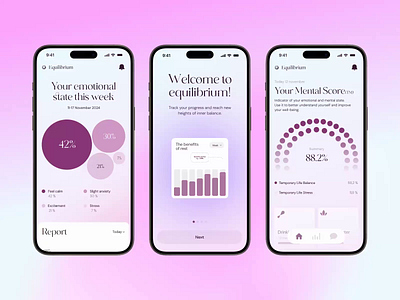
Color, too, plays a nuanced but powerful role. Subtle contrasts, muted tones, and restrained accent colors guide attention without overwhelming the senses. For example, a soft highlight for interactive elements draws the eye without shouting, while a restrained palette conveys professionalism and cohesion. Color choices that align with cultural perceptions of trust, stability, or competence can enhance credibility without requiring overt explanation. In combination with other design elements, thoughtful color use can influence the emotional response of users, creating a sense of calm confidence in the system.
Whitespace is another essential tool in subtle design, often overlooked yet vital for creating a perception of quality and reliability. Adequate spacing allows elements to breathe, reducing cognitive load and making content easier to process. Crowded layouts can generate anxiety or confusion, undermining trust, whereas a well-proportioned interface signals order and clarity. Users may not consciously notice the whitespace, but its presence fosters an impression of care and precision, further building credibility without effort.
Consistency across different sections and touchpoints strengthens subtle credibility. When visual and functional patterns are repeated predictably, users can transfer their understanding from one context to another. Consistent icons, interaction patterns, and layout structures create a cohesive experience, reducing friction and reinforcing confidence. A user encountering a familiar pattern doesn’t pause to question its validity; the reliability is implicit. Over time, this consistency becomes synonymous with dependability, and users associate the system with a sense of professionalism and trustworthiness.
Subtle feedback mechanisms contribute to credibility in ways that are often invisible. Micro-interactions, such as confirmation messages, status indicators, or progress cues, inform users that the system is responsive and attentive to their actions. These signals don’t demand focus but provide reassurance that processes are functioning correctly. When implemented subtly, feedback communicates competence without interrupting the user journey, allowing trust to build organically.
Accessibility also plays a vital role in subtle credibility. Ensuring that interfaces are usable by people of diverse abilities signals inclusivity and foresight. Clear labeling, sufficient contrast, keyboard navigability, and screen reader compatibility may go unnoticed by some users, yet they reflect a commitment to quality and responsibility. Subtle accessibility features enhance the perception of integrity and thoroughness, further reinforcing trust without overtly drawing attention to the effort involved.
The emotional dimension of subtle design should not be underestimated. Calm, restrained aesthetics and smooth, predictable interactions reduce cognitive friction and create a sense of security. Users are more likely to engage deeply and confidently with a system that feels stable and consistent. Subtle design respects the user’s attention, avoids unnecessary surprises, and creates an environment where decisions can be made with clarity and confidence.
Ultimately, subtle design achieves credibility not through overt persuasion but through careful orchestration of many small elements. Each choice—typography, color, spacing, hierarchy, feedback, accessibility—works in concert to produce an experience that feels coherent, reliable, and professional. Users sense this integrity instinctively, often without articulating why they trust the system. It is this invisible scaffolding that distinguishes designs that endure from those that merely attract attention temporarily.
In a world saturated with visual noise and aggressive interfaces, subtle design offers a quiet power. It respects the user, communicates competence effortlessly, and nurtures trust through consistency and refinement. Credibility, once considered something to declare explicitly, becomes an inherent quality of the interface itself. By prioritizing clarity, predictability, and understated elegance, designers cultivate a relationship with users that is both seamless and enduring. The beauty of subtle design lies in its invisibility: the more effortlessly it communicates reliability, the stronger the trust it fosters, creating an experience that feels natural, reassuring, and authoritative without ever having to announce itself.
Subtle design, therefore, is a discipline of restraint and intention. It requires attention to detail, an understanding of human perception, and a commitment to consistency. Yet its impact is profound: credibility emerges organically, seamlessly integrated into every interaction. Users respond not to bold statements but to the quiet assurance embedded in every element. Over time, this approach builds a foundation of trust that endures far longer than any flashy embellishment could achieve, proving that sometimes the most persuasive design is the one that does not overtly seek to persuade.
Through careful orchestration of space, typography, color, feedback, and consistency, subtle design communicates authority and reliability without effort. It engages users on an intuitive level, fostering confidence and reinforcing the perception that the system is thoughtfully conceived and professionally executed. In this way, credibility becomes not a claim to make but a quality to experience, quietly shaping perceptions and interactions in ways that are both profound and lasting.


Be First to Comment