In the modern world of gaming and interactive experiences, players often seek spaces that provide not just entertainment but also a sense of control and stability. This preference for calm environments is rooted in the human desire for predictability, where the outcomes of actions are understood and the consequences are manageable. When chaos dominates a gaming space, players may feel overwhelmed, leading to frustration and disengagement. Calm environments, on the other hand, allow them to immerse fully in the gameplay, fostering a sense of mastery and enjoyment that is both rewarding and sustainable.
Designers who understand this psychological nuance often create systems that subtly guide players toward experiences that are engaging yet controlled. Rather than bombarding players with constant surprises or high-intensity challenges, these designers integrate features that maintain tension in a measured way. This could include predictable patterns, gradual difficulty progression, and environments that encourage exploration without punishment. Such designs respect the cognitive load of the player, allowing for focused decision-making and deliberate strategy rather than reactive behavior driven by stress.
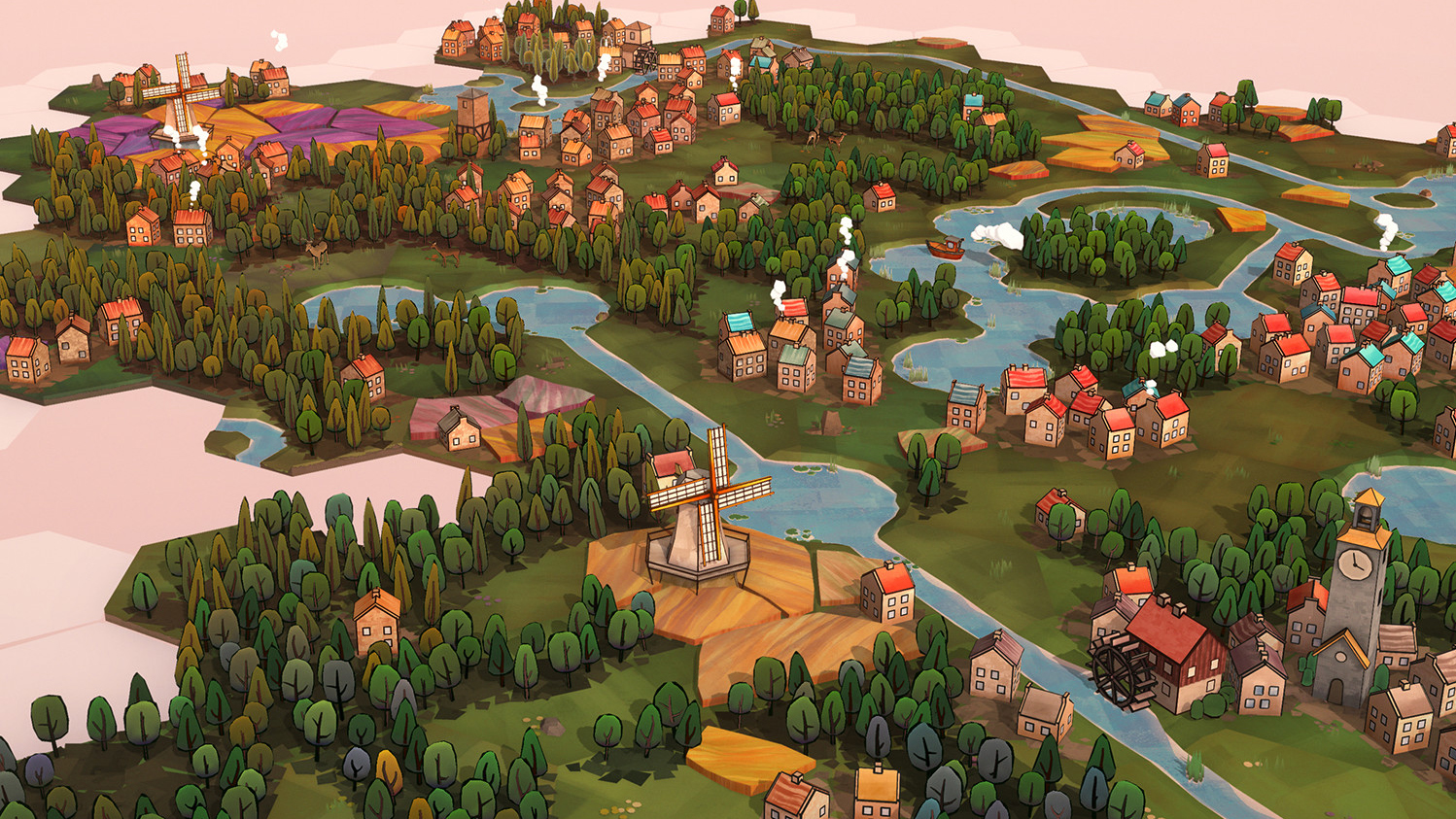
The architecture of a calm gaming environment often emphasizes visual clarity and auditory comfort. Clean layouts, intuitive interfaces, and coherent spatial designs reduce cognitive strain. Players can navigate their surroundings without confusion, locate objectives easily, and make strategic choices confidently. Auditory cues are designed to be supportive rather than jarring, with background music, sound effects, and voiceovers enhancing immersion without triggering anxiety. This creates a cohesive sensory experience where each element contributes to a feeling of stability and control.
A significant aspect of calm environments is the pacing of interaction. Players benefit from systems that balance activity and reflection, offering moments of intensity interspersed with periods of downtime. In these spaces, players can assess their progress, plan next moves, or simply enjoy the scenery, all without the pressure of constant high-stakes action. This rhythm fosters engagement over longer periods, as players feel that their efforts are meaningful and that the system responds to their input in a predictable manner.
Social dynamics within gaming environments also play a role in promoting calmness. Cooperative or non-competitive interactions tend to reduce tension, allowing players to collaborate, share experiences, and support one another. Chat systems, guilds, or shared objectives can enhance these interactions, creating a sense of community and shared purpose. Even competitive environments can be structured in ways that limit chaotic outcomes, using matchmaking systems, tiered skill levels, and clear rule enforcement to ensure that conflicts remain fair and manageable.
Psychologically, calm gaming spaces contribute to a sense of agency. Players feel that they can influence outcomes through skill, strategy, or thoughtful decision-making. This contrasts sharply with chaotic systems where luck or unpredictable elements dominate, leaving players feeling powerless or frustrated. Agency reinforces engagement, satisfaction, and the desire to return, as the player recognizes a clear connection between effort and result. In well-designed calm environments, achievements feel earned, challenges are surmountable, and failures become opportunities for learning rather than sources of discouragement.
Moreover, calm environments support inclusivity. By moderating intensity and unpredictability, games can appeal to a wider demographic, including those who might be sensitive to rapid stimuli, prone to stress, or new to the medium. Accessibility features, such as adjustable difficulty levels, customizable controls, and clear guidance systems, further enhance this effect. Players can tailor the experience to their comfort levels, ensuring that engagement is sustained without overwhelming the individual. Such inclusivity also fosters diversity within player communities, enriching the overall gaming ecosystem.
Another critical factor is the feedback system embedded within calm environments. Immediate and comprehensible feedback allows players to understand the consequences of their actions, reinforcing learning and strategic development. When systems provide clear cues for success and failure, players can adjust behaviors without confusion or emotional strain. This transparency enhances trust in the system and encourages experimentation within safe boundaries. Players feel confident exploring new strategies, trying different roles, or engaging with novel game mechanics because the environment supports their efforts rather than punishing uncertainty.
Storytelling and narrative design further enhance the appeal of calm environments. When narratives unfold at a measured pace, players can connect with characters, understand motivations, and experience emotional arcs without sensory overload. Story-driven gameplay benefits from environments where players can process information, appreciate subtle cues, and make decisions that influence outcomes. These experiences become memorable not for frantic excitement but for the depth of engagement and the meaningful connection between player and story.
Calm environments also facilitate long-term engagement through sustainable challenge design. Players are encouraged to set personal goals, experiment with approaches, and develop mastery over time. Systems that respect the player’s pace foster perseverance, reduce burnout, and create a sense of progression that feels both natural and rewarding. By avoiding abrupt difficulty spikes or chaotic mechanics, games allow players to build skills incrementally, celebrating incremental successes and maintaining motivation.
In conclusion, the preference for calm environments reflects a fundamental aspect of human interaction with systems: the desire for predictability, agency, and meaningful engagement. By crafting spaces that are visually coherent, socially supportive, sensorially balanced, and strategically transparent, designers can create experiences that sustain player attention and satisfaction. Calm environments enable players to immerse themselves fully, make thoughtful decisions, and feel a sense of accomplishment that chaotic systems rarely provide. This approach not only enhances individual enjoyment but also cultivates community, inclusivity, and long-term engagement, demonstrating that stability and thoughtful design are as compelling as spectacle in interactive experiences.
Players gravitate toward these spaces because they offer a refuge from overstimulation, a platform for mastery, and a framework where effort translates into meaningful outcomes. The calm does not equate to dullness; rather, it provides a foundation upon which excitement, challenge, and discovery can unfold in a controlled, satisfying manner. In a landscape saturated with unpredictable and high-intensity experiences, the appeal of calm, structured environments is profound, guiding players to engage deeply, sustain focus, and derive lasting fulfillment from their interactions.



Be First to Comment